
Because Every woman deserves dignity, comfort, and care at every age
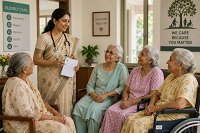
The transition from the vibrant energy of adolescence to the graceful strength of an elderly woman is a profound journey. While adolescence is indeed a “beautiful yet challenging phase” where the body undergoes rapid hormonal shifts, the care we provide to our elderly women is the ultimate fulfillment of the foundation laid during those teenage years. Understanding the continuity of health,from age 10 to age 80 and beyond,is essential for ensuring that our mothers and grandmothers live their golden years with dignity and health.
The Lifelong Health Connection
The health of an elderly woman is often a reflection of her habits during her younger years. Proper healthcare between the ages of 10 and 19,focusing on bone density, nutritional intake, and emotional resilience,is what prevents severe osteoporosis or chronic metabolic issues later in life. However, once a woman reaches her senior years, her care requirements become specialized, demanding a delicate balance of medical precision and emotional empathy.
1. Physical Health and Mobility
- For elderly women, maintaining physical independence is a top priority. As estrogen levels drop post-menopause, bones become more brittle..
- Bone Health: Caregivers must ensure a diet rich in Calcium and Vitamin D. Simple, supervised weight-bearing exercises or daily walks can prevent the muscle loss known as sarcopenia.
- Preventative Screenings: Regular check-ups for blood pressure, cholesterol, and blood sugar are vital. Additionally, screenings for breast and cervical health remain important well into the senior years.
2. Cognitive and Emotional Support
- Just as teenage girls face emotional turbulence, elderly women often experience a different kind of psychological shift. Retirement, the loss of a spouse, or physical limitations can lead to isolation or depression..
- Social Engagement: Keeping the mind active is the best defense against cognitive decline. Engaging in family conversations, playing memory games, or even learning a new skill helps maintain neural pathways.
- Communication: As seen in families managing care across distances, the ability to communicate,overcoming language barriers or technical hurdles,is a lifeline. A simple daily phone call provides the emotional security that is just as important as physical medicine.
3. Nutritional and Hormonal Balance
An elderly woman’s digestive system is more sensitive. Nutrition should focus on high-quality proteins and fiber to maintain gut health. Hydration is often overlooked in seniors because the “thirst trigger” weakens with age; caregivers must proactively encourage water intake to prevent fatigue and urinary tract infections.
4. Creating a Safe Environment
The “foundation for lifelong well-being” mentioned in adolescence must culminate in a safe physical space. Fall prevention is critical for elderly care.
- Home Safety: Removing loose rugs, installing grab bars in bathrooms, and ensuring bright lighting can prevent life-altering injuries.
- Medication Management: A clear system for tracking daily medications is essential to avoid errors, especially when multiple doctors are involved in a senior’s care.
Conclusion: A Legacy of Care
Caring for an elderly woman is not just a duty; it is an act of honoring the woman she was during her youth and the life she has built. By combining modern technological solutions (like real-time translation for caregivers) with traditional values of patience and respect, we can ensure that our elders transition through their final phase of life with the same beauty and confidence they were encouraged to have as young girls. Every effort made today ensures they are not just “existing,” but thriving in a healthy, supported environment.
1. Daily Caregiver Checklist
This checklist ensures all fundamental needs are met consistently, even when managed remotely.
| Category | Task | Frequency |
|---|---|---|
| Medical | Check and record Blood Pressure and Sugar levels. | As per doctor’s advise |
| Administer medications using a pill organizer. | As per doctor’s advise | |
| Hygiene | Assisted bathing or sponge bath; dental/denture care. | Daily |
| Skin check for redness, dryness, or pressure sores. | Daily | |
| Mobility | 15–20 min assisted walk or chair-based exercises. | Daily |
| Ensure pathways are clear of rugs/clutter to prevent falls. | Constant | |
| Emotional | 15 min conversation (using your S24 Live Translate). | Daily |
| Hydration | Aim for 6–8 glasses of water/fluids (coconut water, buttermilk). | Every 2-3 hrs |
2. Nutritional Plan (Indian Context)
Elderly women require higher Protein (1.0–1.2g/kg) and Calcium (1200mg) but fewer total calories. Meals should be soft, warm, and easy to chew.
- Early Morning (7:00 AM): Warm water with a pinch of turmeric or a small cup of milk/tea with 2 soaked almonds (peeled).
- Breakfast (8:30 AM):
- Option 1: Oats Upma or Dalia with finely chopped carrots and peas.
- Option 2: 2 Soft Idlis with tomato chutney or 1 Ragi Dosa (rich in calcium).
- Mid-Morning (11:00 AM): A small bowl of Papaya or Banana (soft fruits aid digestion) or a glass of tender coconut water.
- Lunch (1:00 PM):
- Balanced Plate: 1 small bowl of soft-cooked rice (or 1 soft phulka), 1 bowl of Dal/Sambar, and a side of mashed vegetable (bottle gourd or spinach).
- Probiotic: 1 small bowl of fresh curd (helps gut health and immunity).
- Evening Snack (4:30 PM): A cup of warm Vegetable Soup or a glass of Buttermilk (Chaas).
- Dinner (7:30 PM):
- Moong Dal Khichdi with a teaspoon of ghee,ideal for overnight digestion.
- Alternative: Soft Vegetable Stew with a small portion of rice.
- Bedtime (9:00 PM): 150ml warm Milk (calcium boost).