
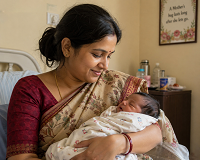
Building the Foundation for a Healthy Future
Mother and child care is one of the most important aspects of public health and family well-being. The health of a mother directly influences the health, growth, and development of her child. From pregnancy to early childhood, proper care ensures not only survival but also the long-term physical, emotional, and cognitive development of the child. Investing in maternal and child health creates stronger families and healthier communities.
Prenatal Care: A Healthy Start Begins Before Birth
Mother and child care begins even before a baby is born. Prenatal care plays a crucial role in ensuring a safe pregnancy and healthy delivery. Regular medical check-ups during pregnancy help monitor the mother’s health and the baby’s development. These visits allow healthcare providers to detect and manage potential complications such as high blood pressure, gestational diabetes, or nutritional deficiencies.
Proper nutrition during pregnancy is essential. Expectant mothers need a balanced diet rich in iron, calcium, folic acid, protein, and essential vitamins. Folic acid, in particular, helps prevent neural tube defects in the developing baby. Staying physically active, managing stress, avoiding harmful substances like tobacco and alcohol, and getting adequate rest are also key components of prenatal care.
Safe Delivery and Postnatal Care
The period surrounding childbirth is critical for both mother and baby. Access to skilled healthcare professionals during delivery reduces the risk of complications and ensures prompt care if emergencies arise. Safe delivery practices protect both lives and lay the groundwork for a healthy postpartum period.
Postnatal care is equally important. After childbirth, mothers need time to recover physically and emotionally. Regular postnatal check-ups help monitor healing, detect infections, and address issues such as postpartum depression. Emotional support from family members and healthcare providers can make a significant difference in a mother’s well-being.
For newborns, early care includes immediate skin-to-skin contact, proper hygiene, and early initiation of breastfeeding. Breast milk provides essential nutrients and antibodies that strengthen the baby’s immune system. Exclusive breastfeeding for the first six months is widely recommended to promote healthy growth and protect against infections.
Infant and Early Childhood Care
The first five years of life are crucial for brain development and overall growth. Proper nutrition, immunization, and regular health check-ups are fundamental during this stage. Vaccinations protect children from life-threatening diseases such as measles, polio, and whooping cough. Growth monitoring helps identify malnutrition or developmental delays early.
In addition to physical health, emotional and cognitive development must be nurtured. Loving interactions, responsive caregiving, and a safe environment contribute to a child’s emotional security. Talking, reading, and playing with children stimulate their brain development and language skills. Early childhood education and social interaction further enhance learning and confidence.
The Role of Family and Community
Mother and child care is not solely the responsibility of healthcare providers. Families and communities play a vital role in supporting mothers and children. Fathers, grandparents, and other family members can share responsibilities, provide emotional support, and help create a nurturing environment.
Community health programs, awareness campaigns, and access to affordable healthcare services are essential in promoting maternal and child health. Education about hygiene, nutrition, and family planning empowers families to make informed decisions.
Conclusion
Mother and child care is the cornerstone of a healthy society. By ensuring proper care during pregnancy, childbirth, and early childhood, we secure a brighter future for the next generation. Healthy mothers raise healthy children, and together they build strong, thriving communities.