Fibroids are very common, non-cancerous growths that develop in the uterus, especially during a woman’s reproductive years. Many women with fibroids have no symptoms and may not even know they have them. However, some may experience heavy periods, pelvic pain, or pressure depending on the size and location of the fibroids. The good news is that fibroids are manageable, and a range of safe and effective treatment options are available when needed.
Understanding Fibroids (For Patients)
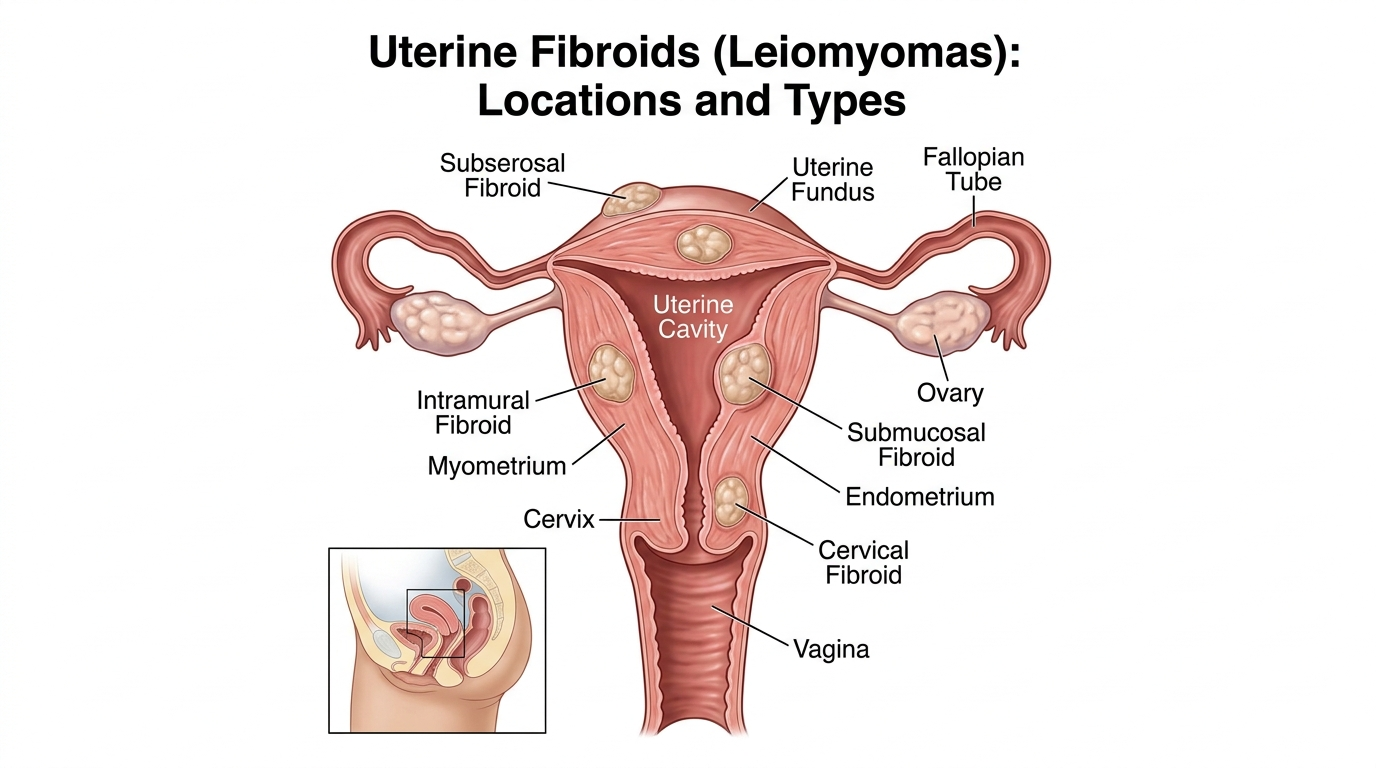
Fibroids are non-cancerous growths that develop in the uterus. They are also called uterine fibroids or leiomyomas.
Fibroids are very common in women of reproductive age.
Many women may have fibroids without even knowing it.
The exact cause is not fully known, but hormones play a role. Estrogen and progesterone can stimulate fibroid growth.
Fibroids can vary in size from very small to very large.
Some women may have a single fibroid, while others have many. Common symptoms include heavy menstrual bleeding.
Some women may experience pelvic pain or pressure.
Frequent urination can occur if fibroids press on the bladder. Constipation may occur if they press on the bowel.
Fibroids can sometimes affect fertility.
They may also cause complications during pregnancy in some cases.
Diagnosis is usually done through ultrasound
Treatment depends on symptoms, size, and patient preference.
Many fibroids do not need treatment if they are not causing problems
Medicines can help control symptoms. Surgical options include myomectomy or hysterectomy.
Minimally invasive treatments are also available.
Lifestyle and regular follow-up are important.
Not all fibroids grow or worsen over time.
Fibroids are not cancer and rarely turn into cancer.
Early consultation helps in better management.
Always consult your doctor for personalized advice.
Test Your Fibroid Awareness
Fibroid Quiz
Frequently Asked Questions (FAQs)
What are fibroids?
Fibroids are benign (non-cancerous) growths in the uterus.
Are fibroids dangerous?
Most fibroids are harmless, but large ones may cause symptoms.
Do fibroids cause cancer?
No, fibroids rarely turn into cancer.
What causes fibroids?
Hormones (estrogen, progesterone) and genetics are involved.
What are common symptoms?
Heavy periods, pain, pressure, bloating, frequent urination.
Can fibroids cause infertility?
Sometimes, depending on size and location.
Can fibroids grow during pregnancy?
Yes, due to hormonal changes.
How are fibroids diagnosed?
Usually by ultrasound or MRI.
Do all fibroids need treatment?
No, only symptomatic ones require treatment.
Can fibroids shrink on their own?
Yes, especially after menopause.
What medicines are used?
Hormonal therapy, pain relievers, and other medications.
What is myomectomy?
Surgery to remove fibroids while keeping the uterus.
Are there non-surgical treatments?
Yes, like uterine artery embolization.
Can fibroids come back after treatment?
Yes, especially after myomectomy.
Can diet affect fibroids?
Healthy diet may help but does not cure fibroids.
Do fibroids cause weight gain?
Large fibroids may increase abdominal size.
Can exercise help?
Exercise helps overall health but does not remove fibroids.
When should I see a doctor?
If you have heavy bleeding, pain, or fertility issues.
Minimally Invasive and Robotic Surgery has revolutionized modern gynaecological practice by offering safer, more precise, and patient-friendly alternatives to traditional open procedures. These techniques rely on advanced visualization, small incisions, and high-end instrumentation to perform complex surgeries with minimal tissue trauma. In gynaecology, they are widely used for conditions such as fibroids, endometriosis, infertility-related pathologies, and gynaecologic cancers.
Robotic-assisted surgery represents a significant leap forward, providing enhanced dexterity, three-dimensional visualization, and tremor filtration, enabling surgeons to perform delicate procedures with exceptional precision. This is particularly beneficial in complex oncological surgeries and deep pelvic dissections.
At the same time, office-based gynaecologic procedures have transformed outpatient care by shifting many diagnostic and therapeutic interventions,such as hysteroscopy and endometrial ablation,into day-care settings. These approaches reduce the need for hospitalization, lower costs, and improve patient convenience.
Overall, these advancements lead to reduced blood loss, shorter hospital stays, faster recovery, less postoperative pain, and improved cosmetic outcomes. As technology continues to evolve, minimally invasive and robotic techniques are becoming the standard of care in gynecology, enhancing both clinical outcomes and patient satisfaction.
2. Surgery in Gynaecology
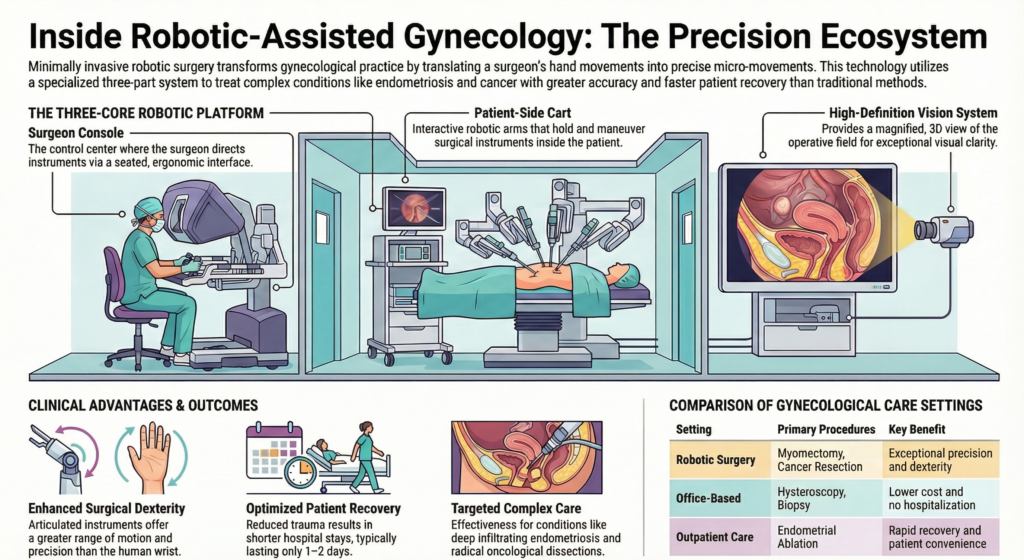
Robotic-assisted surgery is one of the most transformative innovations in the field of minimally invasive surgery. It involves the use of sophisticated robotic platforms, most commonly the da Vinci Surgical System, which translates the surgeon’s hand movements into precise micro-movements of surgical instruments inside the patient’s body.
Technology and Working Mechanism
The robotic system consists of three main components:
Surgeon Console – where the surgeon sits and controls the instruments
Patient-side Cart – robotic arms that hold surgical instruments
Vision System – provides a high-definition 3D view
The surgeon operates in a seated position, viewing a magnified, three-dimensional image of the operative field. The robotic arms replicate the surgeon’s movements with enhanced precision, eliminating tremors and allowing fine dissection even in confined anatomical spaces.
Applications in Gynaecology
Robotic-assisted surgery is widely used in managing:
Uterine fibroids (myomectomy, hysterectomy)
Endometriosis, especially deep infiltrating disease
Gynaecologic cancers, including cervical, ovarian, and endometrial cancers
Pelvic organ prolapse repair
Infertility-related surgeries
In complex cases like deep infiltrating endometriosis or radical hysterectomy, robotic systems offer better visualization and access to difficult pelvic areas.
Advantages
Robotic surgery offers several clinically significant benefits:
Higher precision due to articulated instruments with greater range of motion than the human wrist
Reduced blood loss, especially in vascular pelvic surgeries
Minimal postoperative pain due to smaller incisions
Shorter hospital stay, often 1–2 days
Faster recovery, allowing early return to daily activities
Lower complication rates in experienced hands
Better ergonomics for surgeons, reducing fatigue during long procedures
Limitations
Despite its advantages, robotic surgery has certain challenges:
High cost of equipment and maintenance
Longer setup time compared to conventional laparoscopy
Steep learning curve for surgeons
Limited availability in smaller healthcare centers
However, as technology becomes more accessible, these barriers are gradually reducing.
3. Office-Based Gynaecologic Procedures
Office-based procedures represent another major advancement in gynaecology, focusing on patient convenience and cost-effectiveness. These procedures are performed in outpatient settings without the need for hospital admission or general anesthesia in most cases.
Common Procedures
Hysteroscopy A minimally invasive procedure where a thin telescope-like instrument is inserted through the cervix to visualize the uterine cavity. It is used for diagnosing and treating:
Abnormal uterine bleeding
Polyps
Submucous fibroids
Adhesions (Asherman’s syndrome)
Endometrial Ablation A procedure to destroy the uterine lining to treat heavy menstrual bleeding. Techniques include thermal, radiofrequency, or cryoablation methods.
Endometrial Biopsy A simple outpatient procedure to sample the uterine lining for diagnostic purposes.
Polypectomy and Minor Operative Procedures Removal of small intrauterine lesions without the need for operating theatre admission.
Advantages of Office-Based Procedures
These procedures have significantly changed patient care dynamics:
Reduced hospital stay – performed as day-care or same-day discharge
Lower costs – no need for operation theatre or inpatient admission
Minimal anesthesia requirements – often done under local anesthesia or no anesthesia
Faster recovery – patients can resume routine activities quickly
Increased patient comfort and convenience
Reduced risk of hospital-acquired infections
Patient Selection
Not all patients are suitable for office procedures. Proper selection is essential:
Hemodynamically stable patients
Small or moderate pathology size
No severe comorbid conditions
Cooperative and informed patients
Complex cases may still require operating room settings.
4. Integration of Minimally Invasive Approaches
Both robotic-assisted surgery and office-based procedures are part of a broader shift toward minimally invasive gynecology. This approach prioritizes:
Preservation of normal anatomy
Reduced surgical trauma
Enhanced recovery protocols
Improved patient satisfaction
Enhanced Recovery After Surgery (ERAS) protocols further complement these techniques by optimizing perioperative care, including early mobilization, minimal opioid use, and early feeding.
Clinical Impact and Outcomes
Numerous studies have demonstrated that minimally invasive and robotic techniques result in:
Lower intraoperative blood loss
Reduced postoperative pain scores
Decreased infection rates
Shorter hospital stays
Quicker return to work and daily life
In gynaecologic oncology, robotic surgery has shown comparable oncologic outcomes to open surgery, with added benefits of reduced morbidity.
Future Directions
The future of minimally invasive and robotic gynecology is promising, with ongoing advancements such as:
Artificial intelligence integration for surgical guidance
Augmented reality overlays for better anatomical visualization
Miniaturized robotic systems
Remote telesurgery, allowing expert surgeons to operate from distant locations
Training programs are also evolving to include simulation-based learning, improving surgeon proficiency and patient safety.
Conclusion
Minimally invasive and robotic surgery have fundamentally transformed gynecological care by making procedures safer, more efficient, and patient-centered. Robotic-assisted surgery offers unmatched precision for complex conditions like fibroids, endometriosis, and gynecologic cancers, while office-based procedures enhance accessibility and affordability of care.
Together, these innovations reduce the physical and emotional burden of surgery, improve outcomes, and represent the future of modern gynecology. As accessibility increases and technology advances, these techniques are expected to become the gold standard across diverse healthcare settings.
Advancements in Obstetrics & Gynaecology (OB-GYN) over the last decade, especially up to 2025, have been rapid and transformative. These improvements are making care more precise, less invasive, personalized, and accessible.
1. Advances in Diagnosis & Screening
AI-based diagnostics
AI tools now assist in fetal anomaly detection on ultrasound, improving accuracy significantly
Reduces missed congenital abnormalities and improves early intervention
At-home testing revolution
Self-testing kits for:
STIs (chlamydia, gonorrhea, trichomonas)
Cervical cancer screening (HPV testing via self-collection devices)
Improves screening compliance, especially in low-resource settings
Adolescence is a beautiful yet challenging phase in a girl’s life. Between the ages of 10 and 19, the body goes through rapid physical, emotional, and hormonal changes. Proper health care during these years lays the foundation for lifelong well-being. Understanding these changes and taking the right steps can help teenage girls grow into healthy, confident women.
1. Understanding Puberty and Menstrual Health
Puberty usually begins between ages 8 and 14. During this time, girls experience breast development, growth spurts, body hair growth, and the start of menstruation (periods). It’s important for teenage girls to understand that irregular periods in the first few years are common due to hormonal adjustments.
However, very painful periods, extremely heavy bleeding, or absence of periods should not be ignored. Consulting a gynecologist early helps identify issues like hormonal imbalance, PCOS (Polycystic Ovary Syndrome), or anemia.
Maintaining menstrual hygiene is essential. Using clean sanitary pads, tampons, or menstrual cups and changing them regularly helps prevent infections.
2. Nutrition and Physical Health
Teenage years require increased nutrition because the body is growing rapidly. A balanced diet should include:
Iron-rich foods (spinach, beans, dates) to prevent anemia
Calcium-rich foods (milk, yogurt, nuts) for strong bones
Protein (eggs, pulses, lean meats) for muscle growth
Fresh fruits and vegetables for vitamins and immunity
Skipping meals or following extreme diets can disturb hormonal balance and affect periods. Regular physical activity like walking, yoga, sports, or dance improves mood, maintains healthy weight, and strengthens bones.
3. Mental and Emotional Well-being
Hormonal changes can cause mood swings, anxiety, or irritability. Academic pressure, social comparison, and body image concerns may also affect mental health. Open communication with parents, teachers, or counselors is very important.
Teenage girls should be encouraged to:
Express their feelings
Practice stress-relief activities like meditation
Limit excessive social media use
Seek professional help if experiencing prolonged sadness or anxiety
Mental health is just as important as physical health.
4. Personal Hygiene and Skin Care
Hormonal changes increase oil production, leading to acne. Gentle skin care, regular face washing, and avoiding harsh products can help. Severe acne should be evaluated by a doctor.
Daily hygiene habits such as bathing regularly, wearing clean clothes, and maintaining intimate hygiene prevent infections and boost confidence.
5. Reproductive Health Awareness
Teenage girls should receive accurate information about reproductive health. Education about safe practices, consent, and protection against sexually transmitted infections (STIs) is essential. Myths and misinformation can lead to fear or risky behavior.
Vaccinations like the HPV vaccine help protect against cervical cancer and should be discussed with a healthcare provider.
6. Regular Health Check-ups
Routine health check-ups help monitor growth, weight, hemoglobin levels, and overall development. Early guidance from a gynecologist builds comfort and awareness about one’s body.
Conclusion
Teenage years shape a girl’s future health. With proper nutrition, hygiene, emotional support, and medical guidance, girls can navigate adolescence smoothly. Empowering teenage girls with the right knowledge ensures they grow up strong, healthy, and confident.
Healthy habits started today create a healthier tomorrow.
BecauseEvery woman deserves dignity, comfort, and care at every age
The transition from the vibrant energy of adolescence to the graceful strength of an elderly woman is a profound journey. While adolescence is indeed a “beautiful yet challenging phase” where the body undergoes rapid hormonal shifts, the care we provide to our elderly women is the ultimate fulfillment of the foundation laid during those teenage years. Understanding the continuity of health,from age 10 to age 80 and beyond,is essential for ensuring that our mothers and grandmothers live their golden years with dignity and health.
The Lifelong Health Connection
The health of an elderly woman is often a reflection of her habits during her younger years. Proper healthcare between the ages of 10 and 19,focusing on bone density, nutritional intake, and emotional resilience,is what prevents severe osteoporosis or chronic metabolic issues later in life. However, once a woman reaches her senior years, her care requirements become specialized, demanding a delicate balance of medical precision and emotional empathy.
1. Physical Health and Mobility
For elderly women, maintaining physical independence is a top priority. As estrogen levels drop post-menopause, bones become more brittle..
Bone Health: Caregivers must ensure a diet rich in Calcium and Vitamin D. Simple, supervised weight-bearing exercises or daily walks can prevent the muscle loss known as sarcopenia.
Preventative Screenings: Regular check-ups for blood pressure, cholesterol, and blood sugar are vital. Additionally, screenings for breast and cervical health remain important well into the senior years.
2. Cognitive and Emotional Support
Just as teenage girls face emotional turbulence, elderly women often experience a different kind of psychological shift. Retirement, the loss of a spouse, or physical limitations can lead to isolation or depression..
Social Engagement: Keeping the mind active is the best defense against cognitive decline. Engaging in family conversations, playing memory games, or even learning a new skill helps maintain neural pathways.
Communication: As seen in families managing care across distances, the ability to communicate,overcoming language barriers or technical hurdles,is a lifeline. A simple daily phone call provides the emotional security that is just as important as physical medicine.
3. Nutritional and Hormonal Balance
An elderly woman’s digestive system is more sensitive. Nutrition should focus on high-quality proteins and fiber to maintain gut health. Hydration is often overlooked in seniors because the “thirst trigger” weakens with age; caregivers must proactively encourage water intake to prevent fatigue and urinary tract infections.
4. Creating a Safe Environment
The “foundation for lifelong well-being” mentioned in adolescence must culminate in a safe physical space. Fall prevention is critical for elderly care.
Home Safety: Removing loose rugs, installing grab bars in bathrooms, and ensuring bright lighting can prevent life-altering injuries.
Medication Management: A clear system for tracking daily medications is essential to avoid errors, especially when multiple doctors are involved in a senior’s care.
Conclusion: A Legacy of Care
Caring for an elderly woman is not just a duty; it is an act of honoring the woman she was during her youth and the life she has built. By combining modern technological solutions (like real-time translation for caregivers) with traditional values of patience and respect, we can ensure that our elders transition through their final phase of life with the same beauty and confidence they were encouraged to have as young girls. Every effort made today ensures they are not just “existing,” but thriving in a healthy, supported environment.
1. Daily Caregiver Checklist
This checklist ensures all fundamental needs are met consistently, even when managed remotely.
Category
Task
Frequency
Medical
Check and record Blood Pressure and Sugar levels.
As per doctor’s advise
Administer medications using a pill organizer.
As per doctor’s advise
Hygiene
Assisted bathing or sponge bath; dental/denture care.
Daily
Skin check for redness, dryness, or pressure sores.
Daily
Mobility
15–20 min assisted walk or chair-based exercises.
Daily
Ensure pathways are clear of rugs/clutter to prevent falls.
Constant
Emotional
15 min conversation (using your S24 Live Translate).
Daily
Hydration
Aim for 6–8 glasses of water/fluids (coconut water, buttermilk).
Every 2-3 hrs
2. Nutritional Plan (Indian Context)
Elderly women require higher Protein (1.0–1.2g/kg) and Calcium (1200mg) but fewer total calories. Meals should be soft, warm, and easy to chew.
Early Morning (7:00 AM): Warm water with a pinch of turmeric or a small cup of milk/tea with 2 soaked almonds (peeled).
Breakfast (8:30 AM):
Option 1:Oats Upma or Dalia with finely chopped carrots and peas.
Option 2: 2 Soft Idlis with tomato chutney or 1 Ragi Dosa (rich in calcium).
Mid-Morning (11:00 AM): A small bowl of Papaya or Banana (soft fruits aid digestion) or a glass of tender coconut water.
Lunch (1:00 PM):
Balanced Plate: 1 small bowl of soft-cooked rice (or 1 soft phulka), 1 bowl of Dal/Sambar, and a side of mashed vegetable (bottle gourd or spinach).
Probiotic: 1 small bowl of fresh curd (helps gut health and immunity).
Evening Snack (4:30 PM): A cup of warm Vegetable Soup or a glass of Buttermilk (Chaas).
Dinner (7:30 PM):
Moong Dal Khichdi with a teaspoon of ghee,ideal for overnight digestion.
Alternative: Soft Vegetable Stew with a small portion of rice.